Colombia

In 2024, Colombia experienced the highest levels of violence since the 2016 peace deal, triggering internal displacement and adding to pressures on the country’s health system.

Insecurity Insight documents conflict events affecting aid operations, education and health care as well as incidents of political-related sexual violence in Colombia.

Our data can be downloaded on the Humanitarian Data Exchange (HDX) and corresponding reports can be accessed below.

Quick Links

Health Care

Insecurity Insight monitors attacks on health care in Columbia, and based on its data, the Columbia chapter of the 2025 Safeguarding Health in Conflict Coalition (SHCC) report Care in the Crosshairs identified 28 incidents of violence against or obstruction of health care in 2025. Among incidents reported in 2025, health facilities were attacked ten times, seven health workers were killed and were 15 kidnapped. The actual number of incidents and the severity of the problem are likely greater, because attacks on healthcare may not have been reported in some locations and conflict-related service closures may not have been reflected in the data, while cuts to United States Agency for International Development (USAID) funding further reduced the presence of health care providers and the operation of health facilities.

Attacks on health facilities and the killing of health workers increased, while kidnappings of health workers doubled. The majority of reported violence impacting health care was attributed to unidentified men with guns, likely affiliated to armed groups operating in the area in question. As in previous years, most incidents in 2025 were recorded in the Cauca department, with small shifts from Colombia’s peripheral departments, such as Caquetá, Chocó, Magdalena, Nariño, Putumayo, and Santander, located in the Amazon, Pacific coast, Caribbean coast, and eastern border regions, toward more central Andean and plains areas, including Antioquia, Cundinamarca, Meta, Norte de Santander, Tolima, and Valle del Cauca.

Published every two weeks, Insecurity Insight’s Attacks on Health Care New Brief tracks global threats and violence as well as protests and other events affecting the delivery of and access to health care. Explore our interactive map to see where incidents happened.
Further resources

Security Risk Management for Health Care Handbook

Security Risk Management for Health Care Handbook

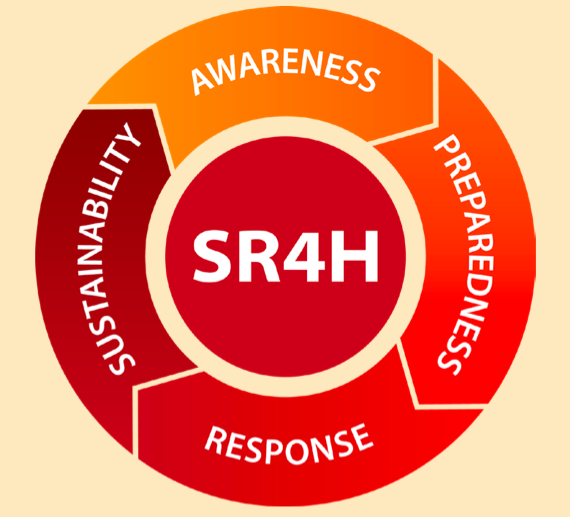
Health care provision has unique characteristics that shape its specific exposure to security risks in conflict zones. The Security Risk Management for Health Care (SR4H) Handbook provides guidance on how to implement a range of actions intended to promote respectful and violence-free environments and prepare individuals or organisations to face and respond appropriately to violent incidents, also dealing with the aftermath of such events. While this handbook is primarily aimed at health programme managers providing frontline services, it is also highly relevant for non-governmental organisations (NGOs) working with partners who implement healthcare services. The handbook is available in ArabicEnglishFrench and Spanish.