Safeguarding Health in Conflict Coalition

Insecurity Insight documents attacks on health care in conflict for the Safeguarding Health in Conflict Coalition (SHCC), a group of international nongovernmental organisations working to protect health care.

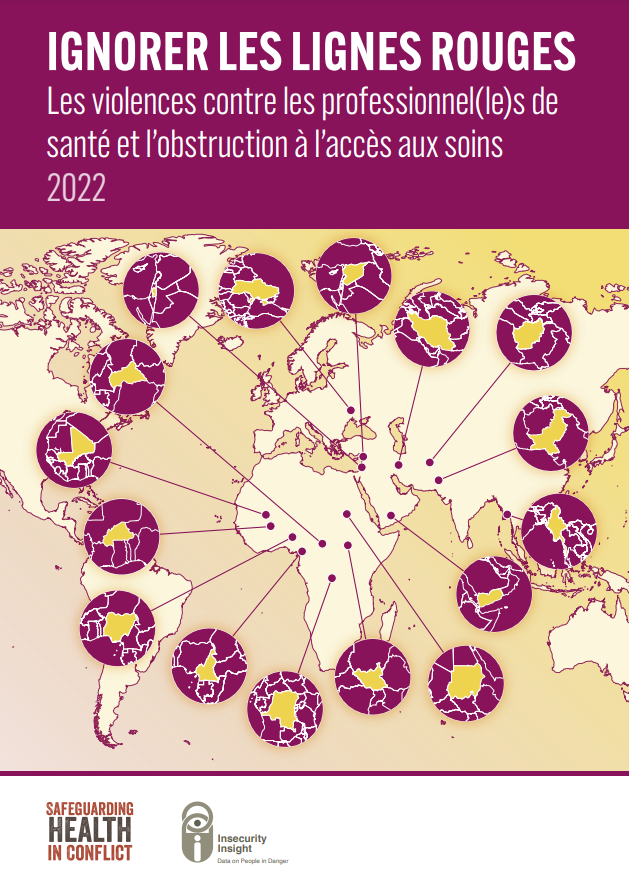
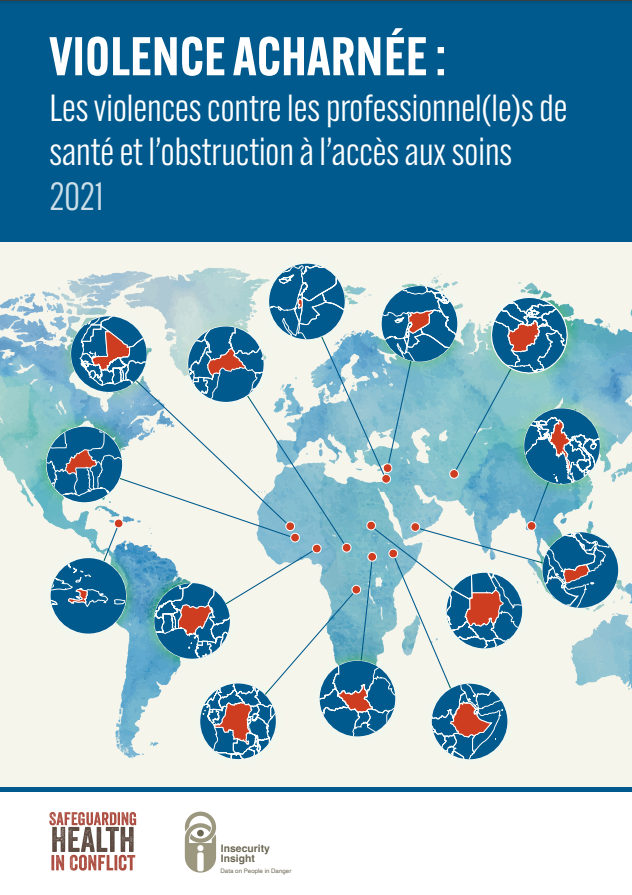
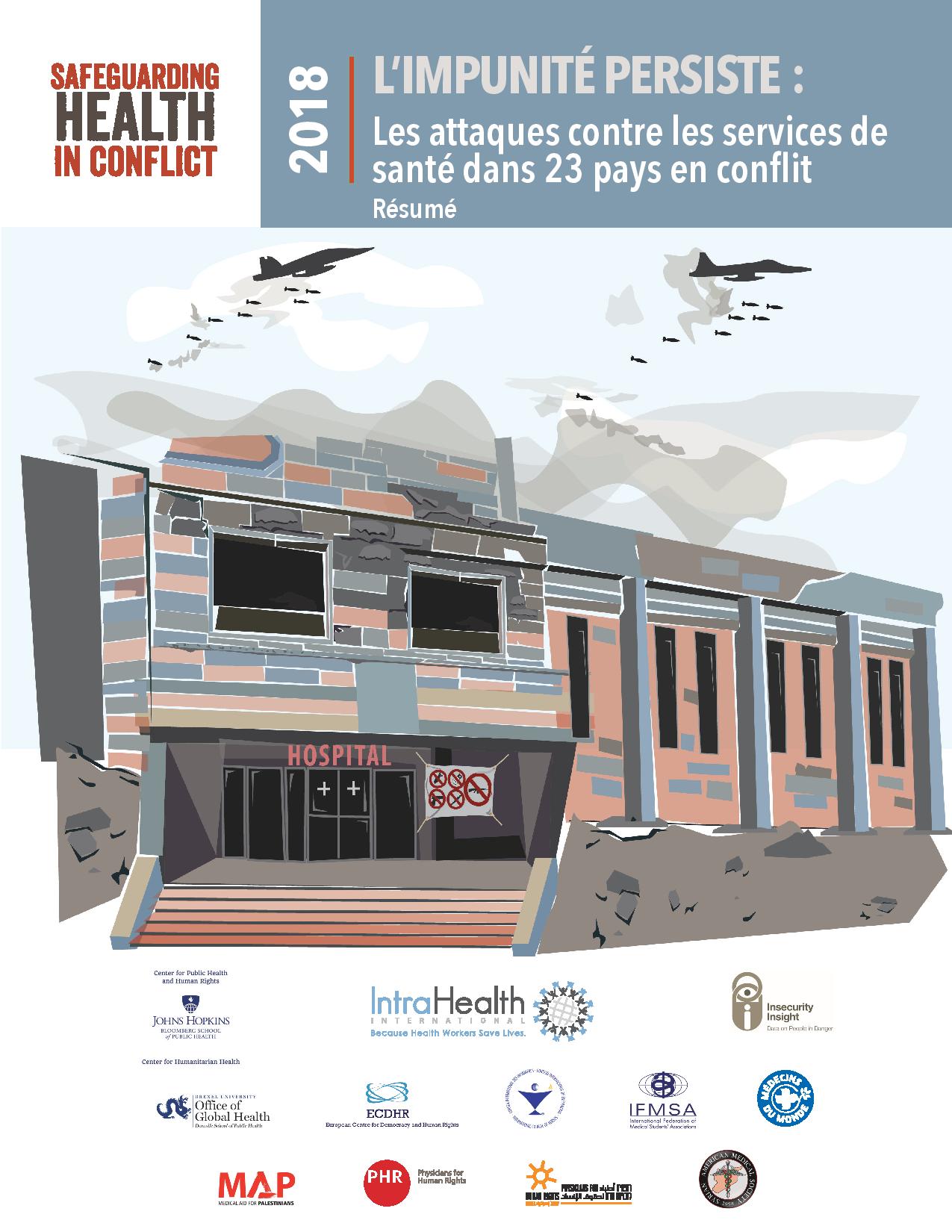
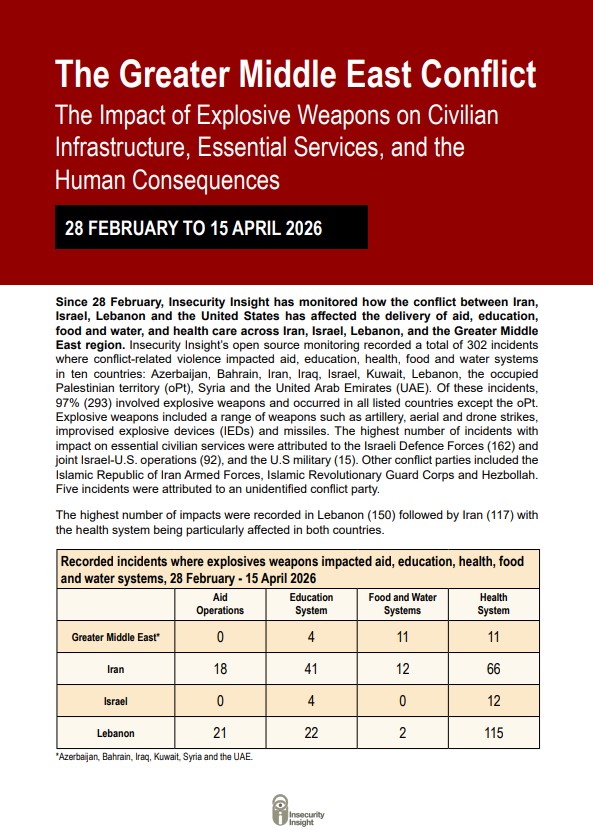
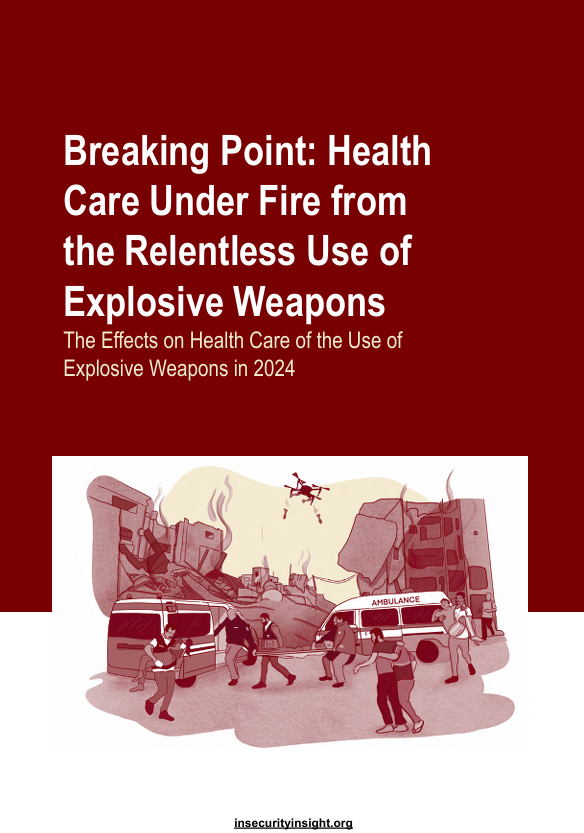
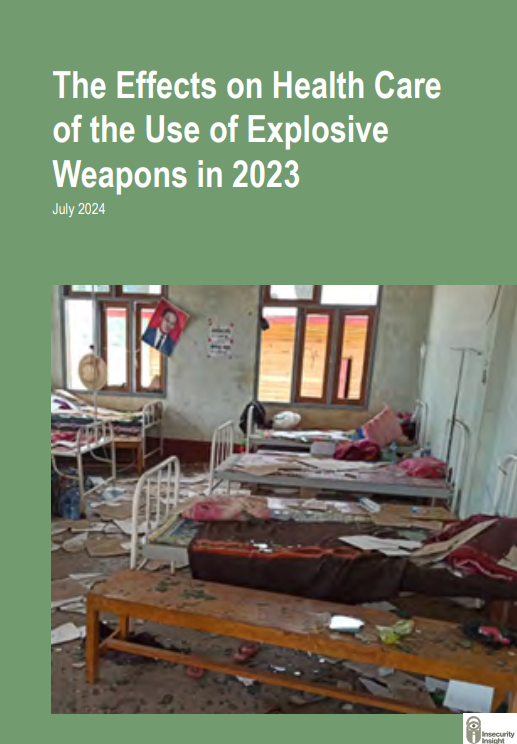
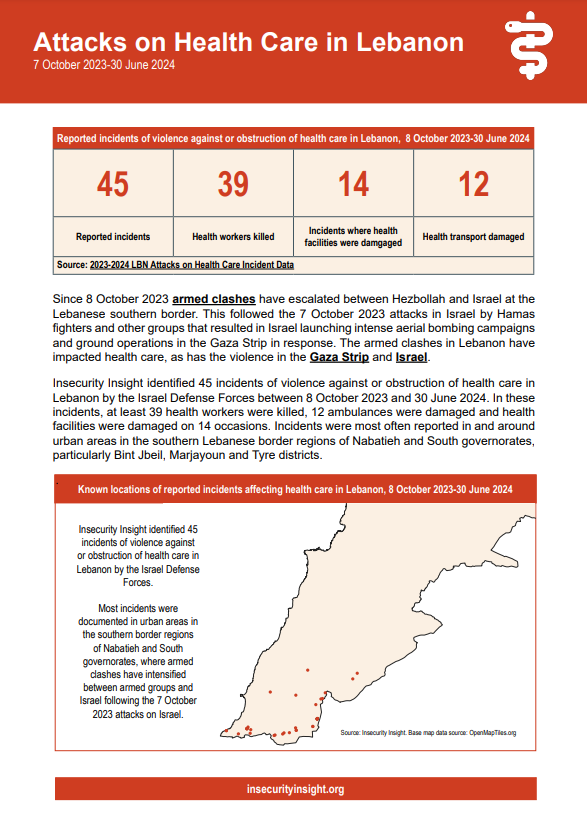
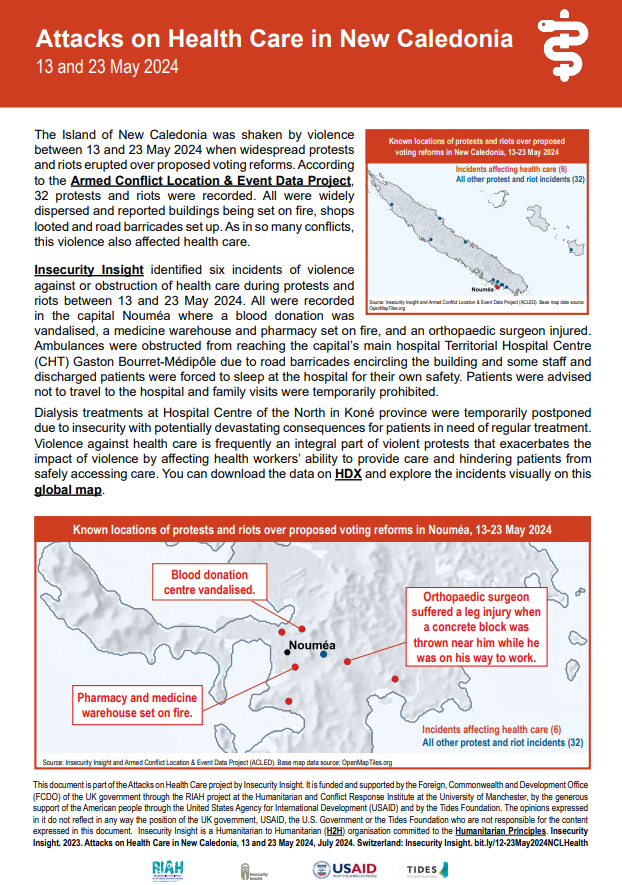
Insecurity Insight’s data concerning attacks on health workers and facilities collected for the SHCC is analysed in the Coalition’s annual report. The following paragraphs summarise the latest report issued in 2026 and covering attacks on health care in conflict in 2025. Insecurity Insight also issues regular news briefs providing information on reported attacks on health care in conflict from open source monitoring and partner contributions. Additionally, Insecurity Insight has produced a handbook on security risk management for health care services in conflict settings and reports on explosive weapons impacting health care. These can be found below on this page.

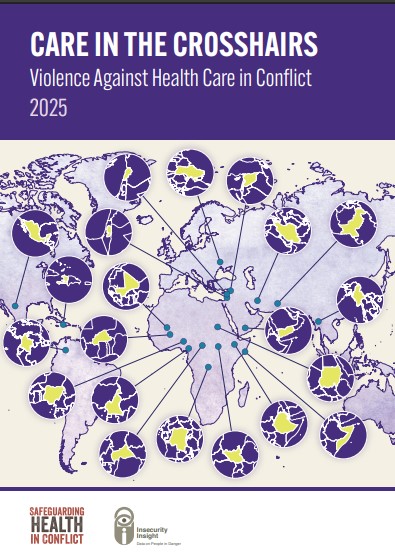
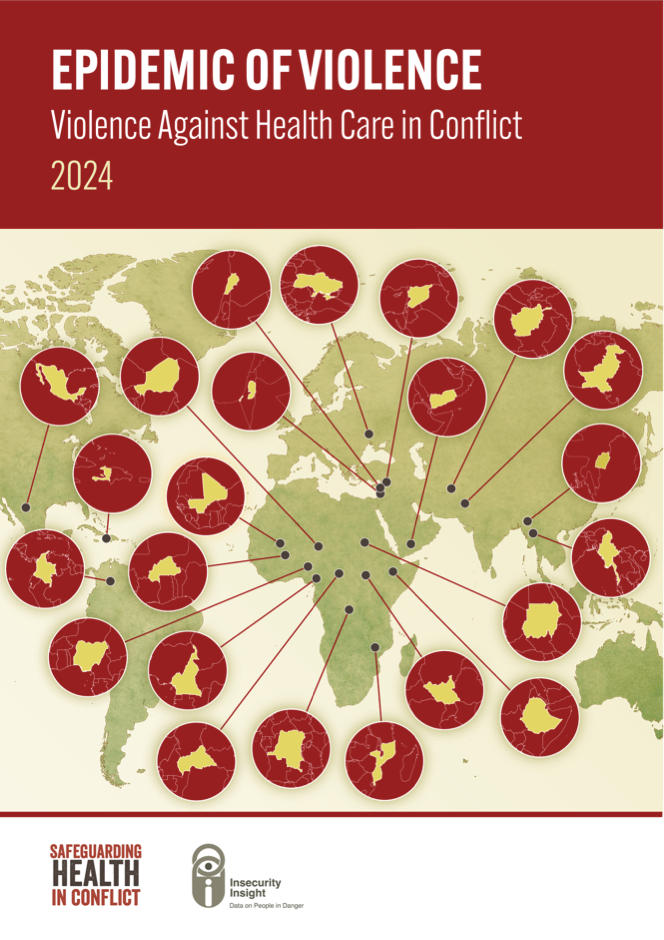
Care in the Crosshairs: Violence Against Health Care in Conflict in 2025

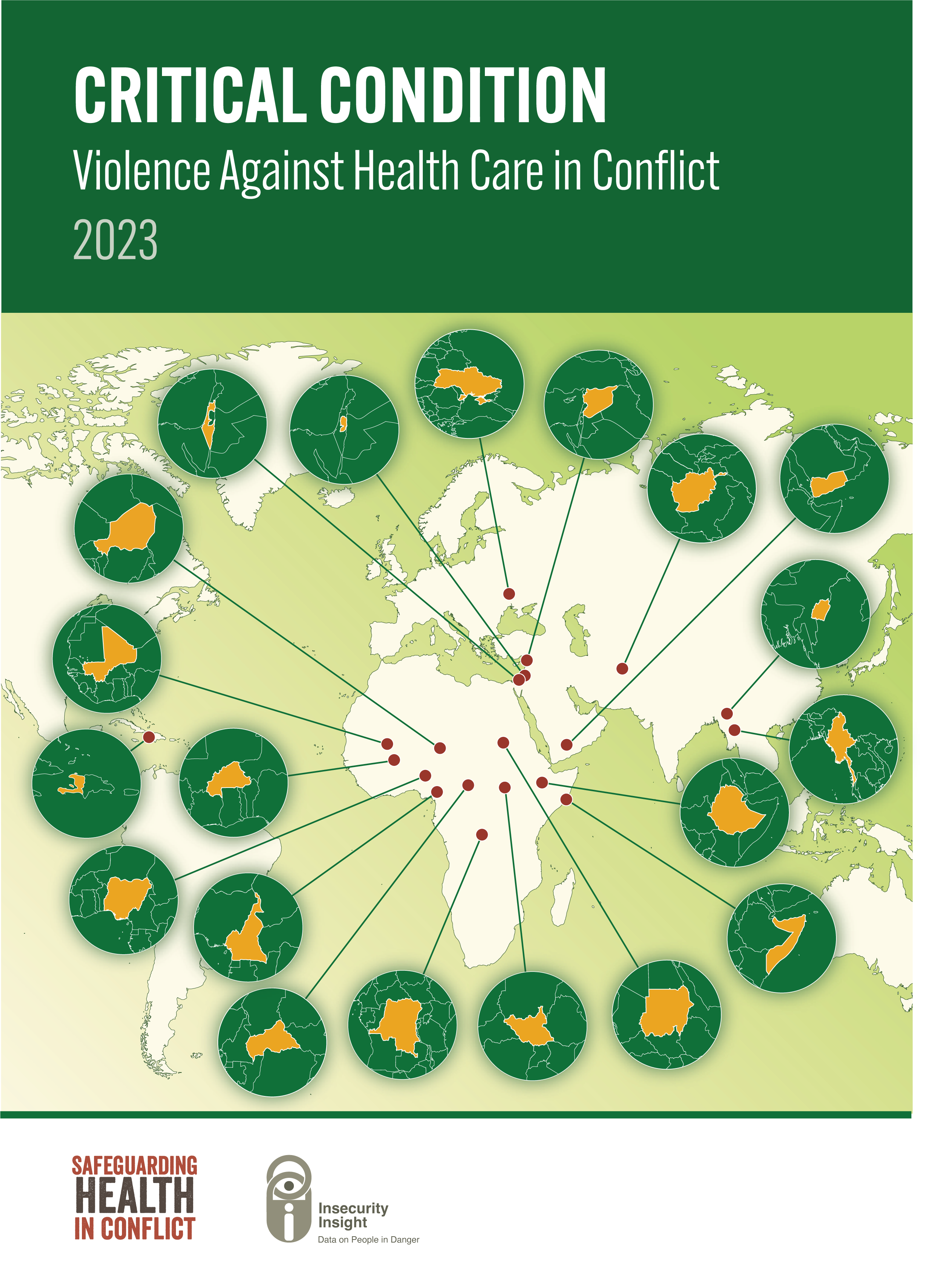
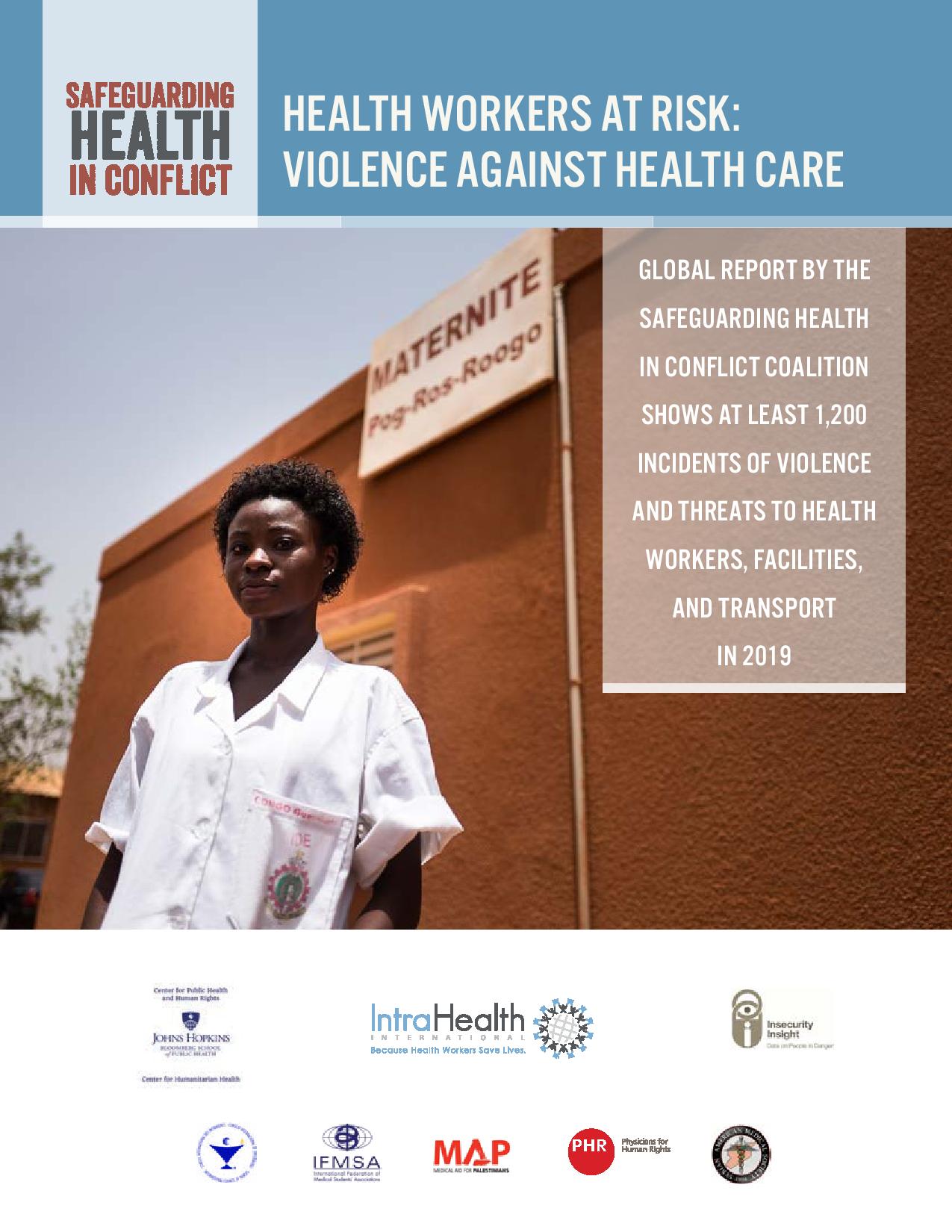
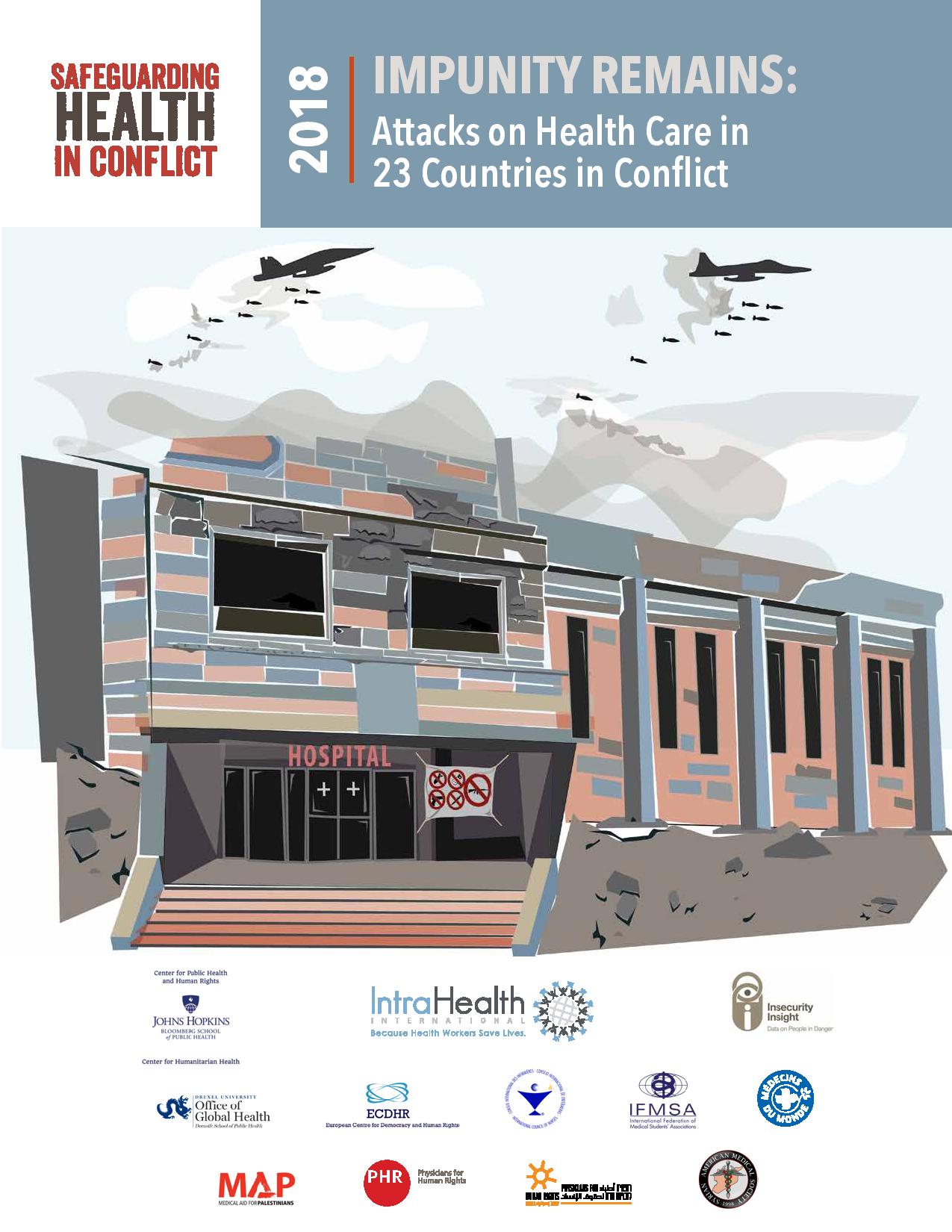
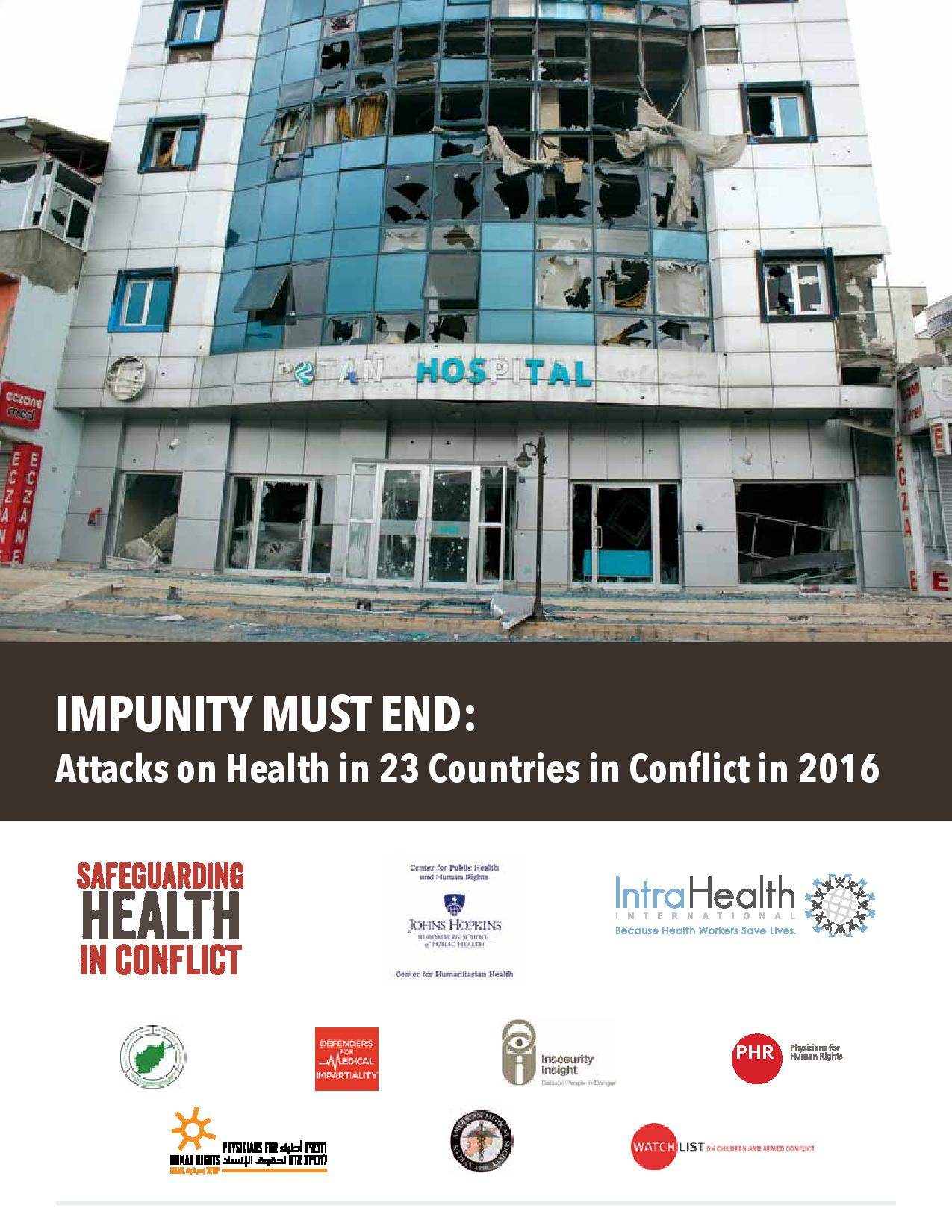
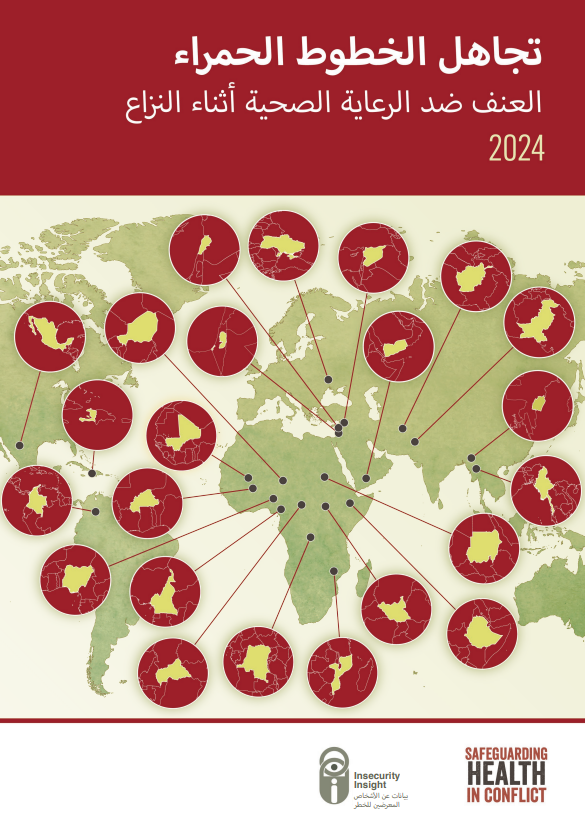
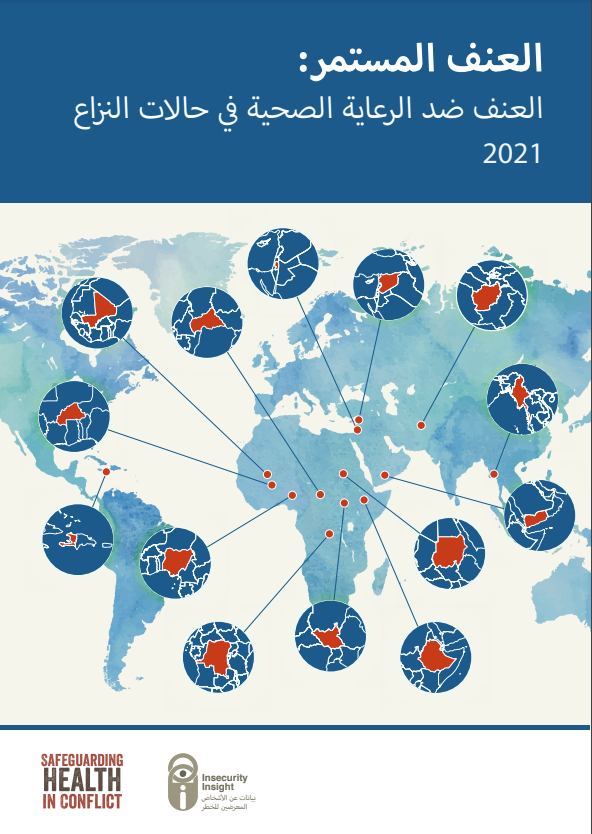
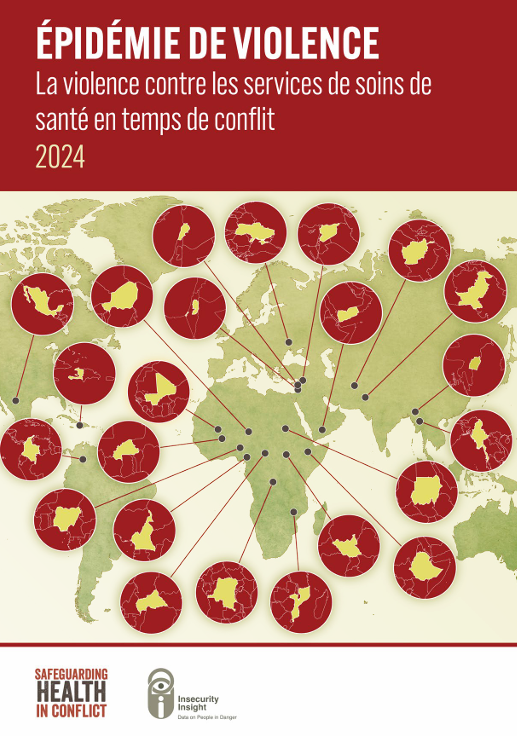
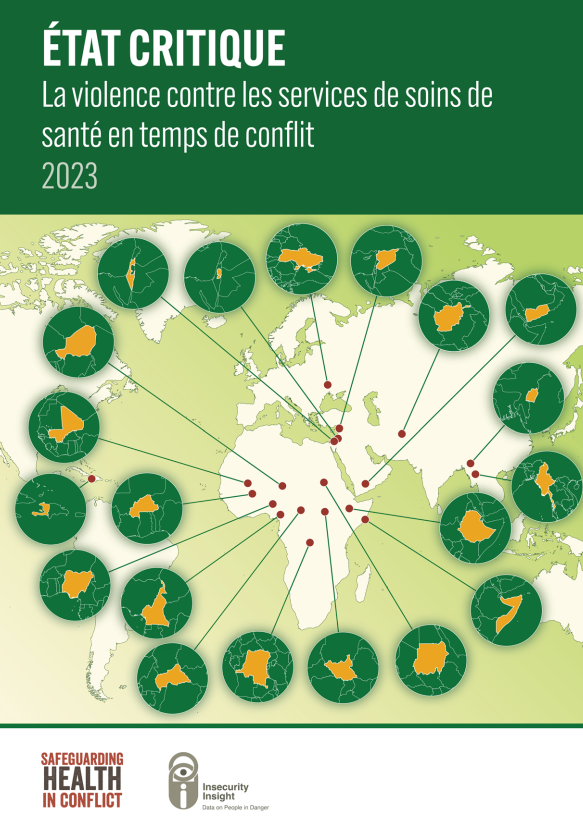
In 2025, the Safeguarding Health in Conflict Coalition (SHCC), using data collected by Insecurity Insight, documents 2,546 incidents of violence against or obstruction of health care across 33 countries in 2025, including 790 incidents where hospitals were damaged or destroyed and 455 health workers killed. International humanitarian law prohibits attacks on health care, a commitment all 15 UN Security Council members reaffirmed when they unanimously adopted Resolution 2286 ten years ago. Yet perpetrators are rarely held to account, even as some hospitals and health workers continue to be strategically targeted.The report includes detailed profiles of 21 countries and territories where many acts of violence against health care took place across Africa, Asia, the Middle East and Europe and the Americas.
Quick Links

You may be interested in

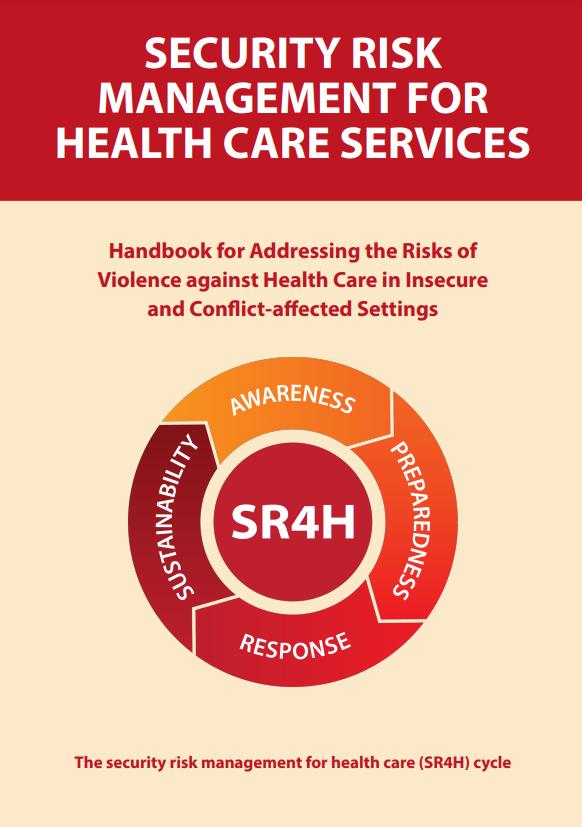
Security Risk Management for Health Care Handbook

Security Risk Management for Health Care Handbook

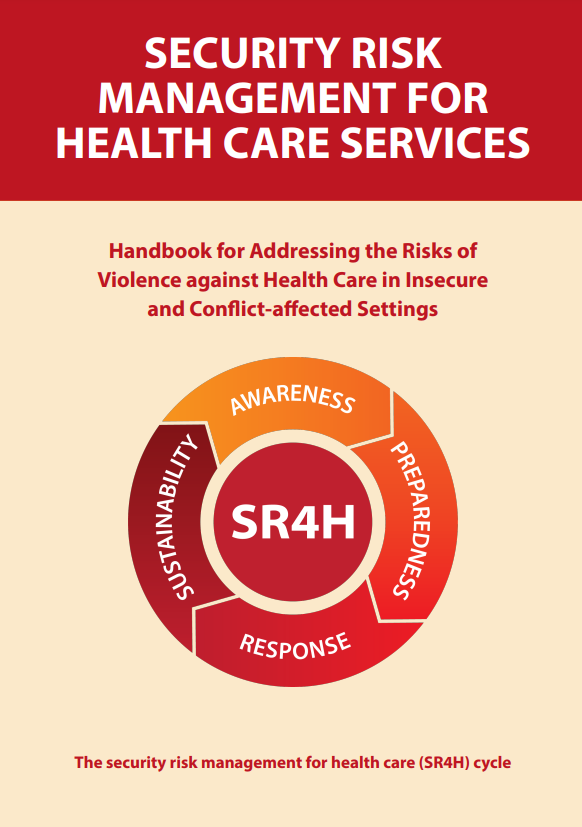
Health care provision has unique characteristics that shape its specific exposure to security risks in conflict zones. The Security Risk Management for Health Care (SR4H) Handbook – available in ArabicEnglishFrench and Spanish– provides guidance on how to implement a range of actions intended to promote respectful and violence-free environments and prepare individuals or organisations to face and respond appropriately to violent incidents, also dealing with the aftermath of such events.
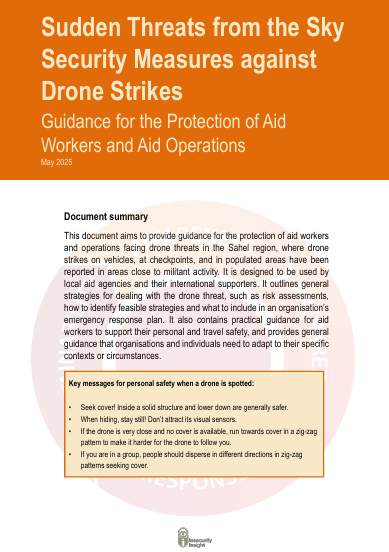
Security Measures Against Drone Strikes: Guidance for the Protection of Aid Workers and Aid Operations

Security Measures Against Drone Strikes: Guidance for the Protection of Aid Workers and Aid Operations

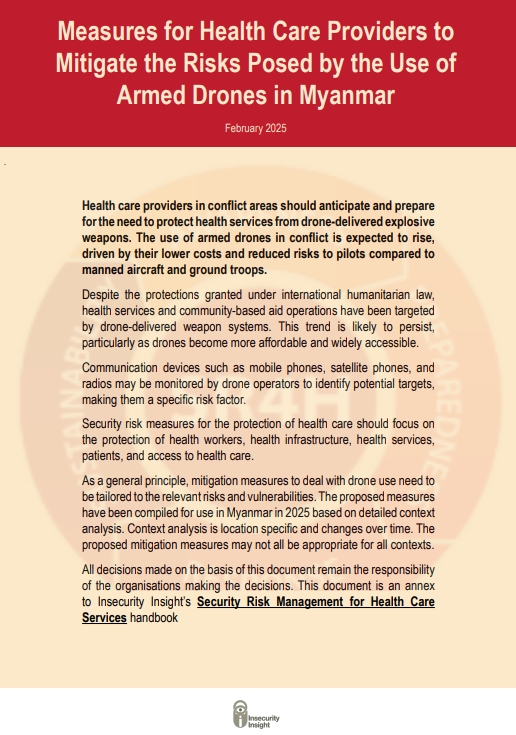
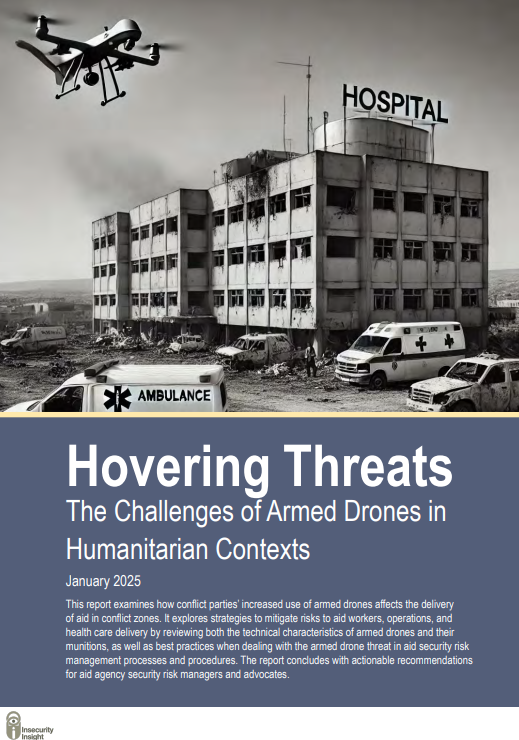
Armed drones are an escalating threat in humanitarian settings, with their use expected to grow. Once rare, they are now a defining feature in modern conflicts. -Adapting to the growing threat of drones means rethinking security risk measures in high-risk contexts. This practical guide by Insecurity Insight  brings together current best practice and is available in Arabic, Burmese, English, Spanish and French.

Social Media Monitoring

Social Media Monitoring

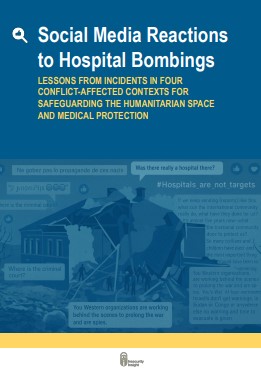
Insecurity Insight monitors sentiment expressed by social media users towards health care providers and aid agencies operating in conflict affected settings. By understanding the views of social media users, the monitoring aims to help health care providers and aid agencies mitigate potential risks which could undermine access to health care or aid. The latest social media monitoring briefs are available here.

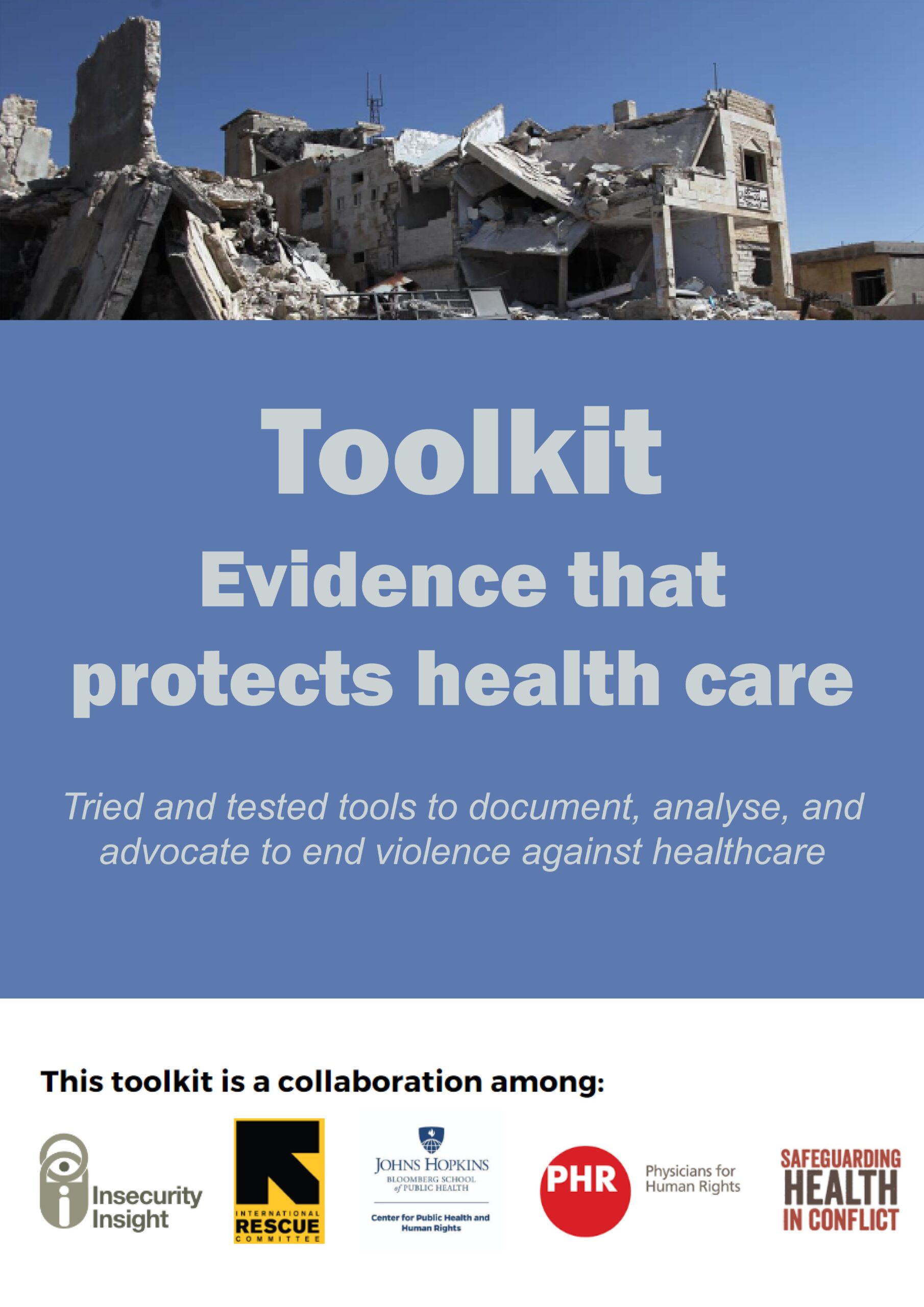
New Toolkit! Evidence that Protects Health Care

New Toolkit! Evidence that Protects Health Care

The Violence Against Health Care (EVAC) project has created a new Toolkit: Evidence that Protects Health Care. The resource brings together a variety of tools ranging from data collection forms to analysis frameworks, templates, case studies and more. It is a collaboration between Insecurity Insight, International Rescue Committee, The Center for Public Health and Human Rights at Johns Hopkins University and Physicians for Human Rights.

Safeguarding Health in Conflict Coalition (SHCC)

Safeguarding Health in Conflict Coalition (SHCC)

The SHCC is made up of 40 health provider organizations, humanitarian groups, human rights organizations, NGOs, and academic programs to take action to protect health workers and end attacks against them.

The coalition promotes the security of health workers and services threatened by war or civil unrest; strengthen universal norms of respect for the right to health; demand accountability for perpetrators; and empower providers and civil society groups to be champions for their right to health.