Lebanon

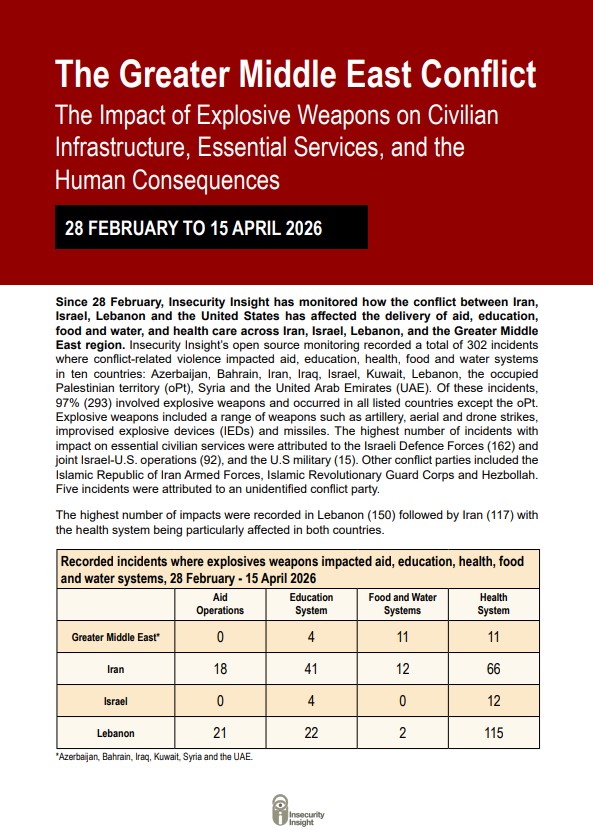
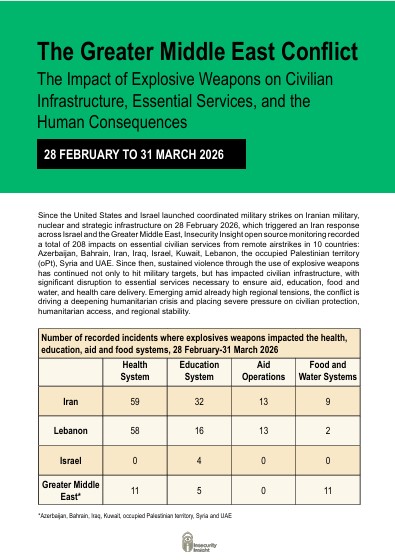
Insecurity Insight documents conflict events affecting aid operations, education, food and water systems, health care and protection as well as incidents of explosive weapons use in Lebanon.

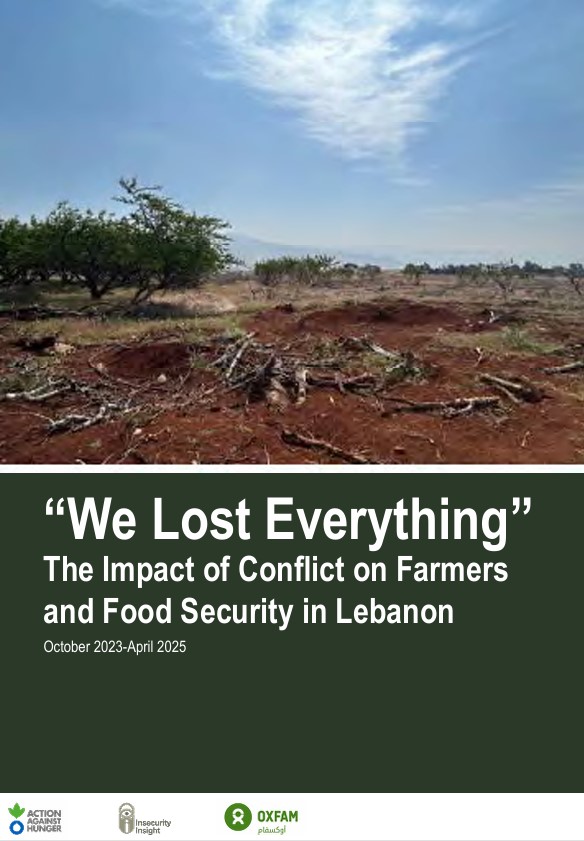
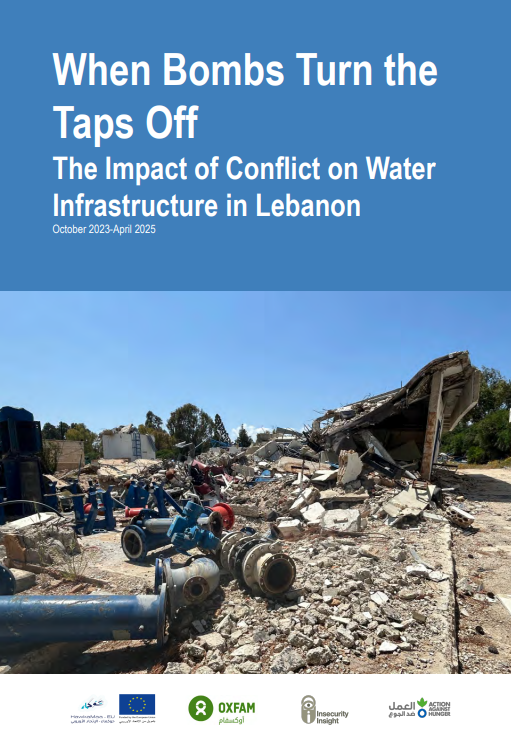
Our data can be downloaded on the Humanitarian Data Exchange (HDX) and corresponding reports can be accessed below.

Quick Links

Health Care

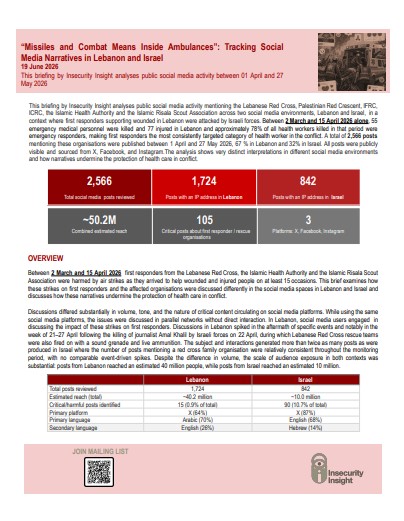
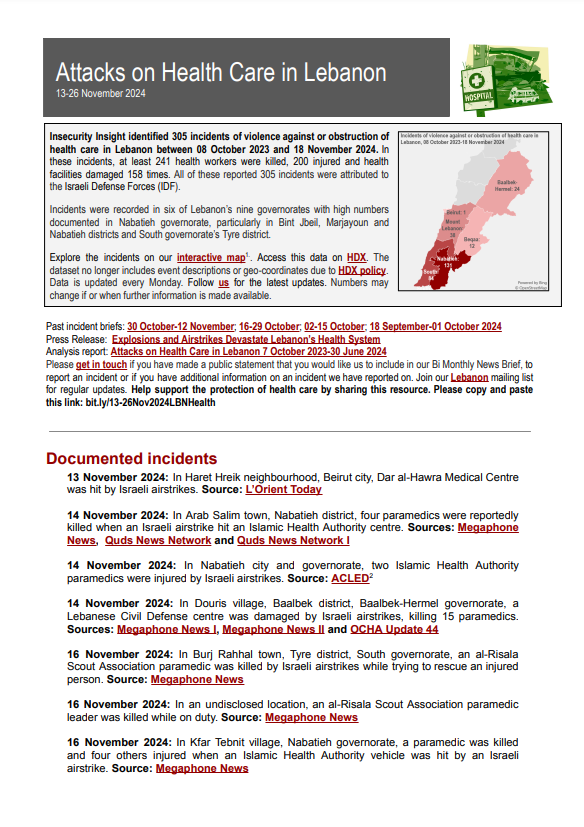
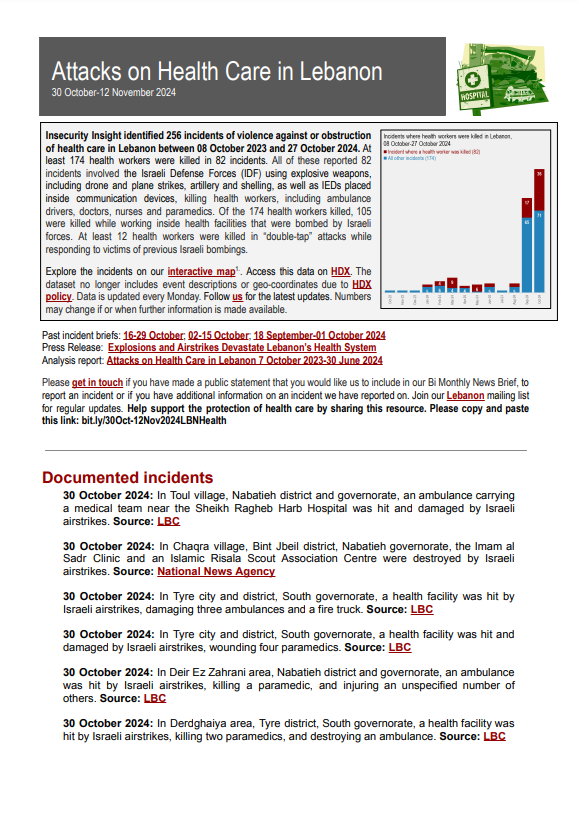
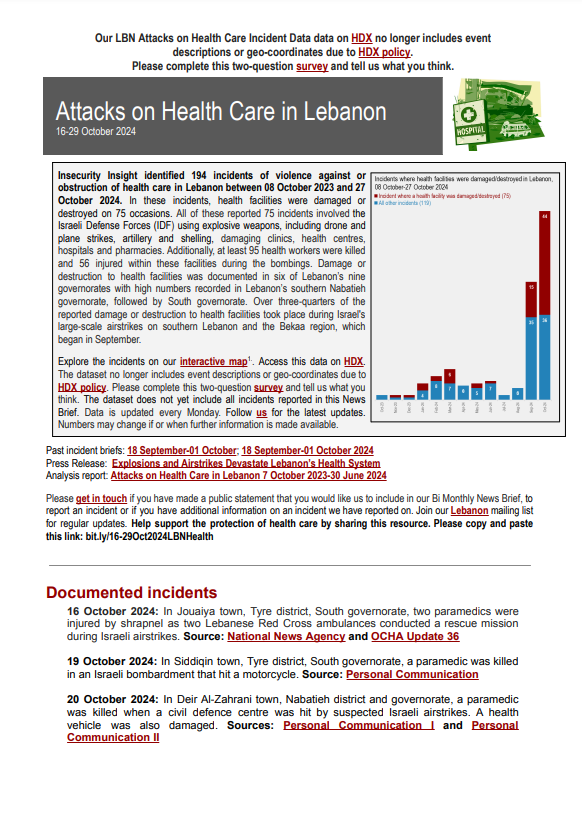
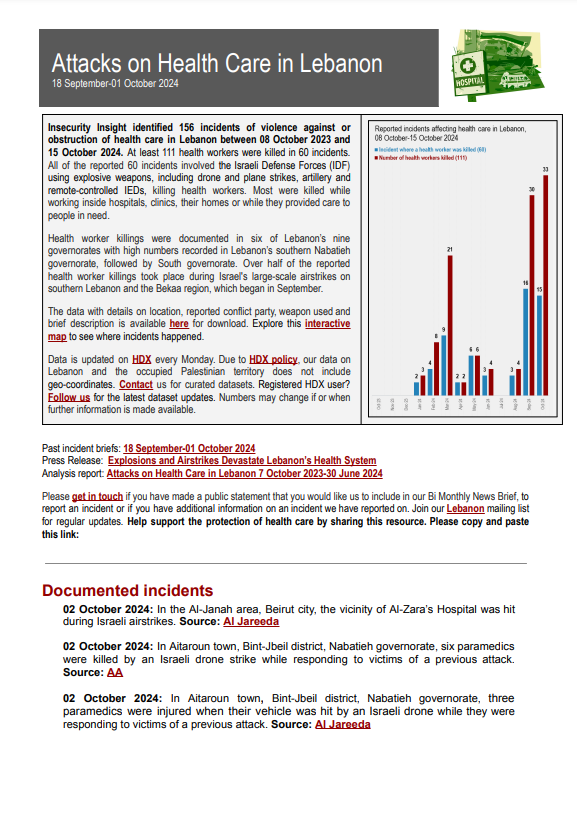
Insecurity Insight monitors attacks on health care in Lebanon, and based on its data, the Lebanon chapter (in English and Arabic) of the 2025 Safeguarding Health in Conflict Coalition (SHCC) report Care in the Crosshairs identified 15 incidents of violence against or obstruction of health care in 2025. Among incidents reported in 2025, emergency medical services (EMS) were attacked on at least nine occasions and health facilities were damaged at least six times. At least three health workers were killed.

Over half of the reported incidents involved attacks on EMS during the first five months of 2025. Damage to health facilities and health worker killings continued, despite the ceasefire, although at lower levels than in 2024. Maternal care services in Lebanon were disrupted when nearby IDF air strikes interrupted routine health services at a school, causing panic among children and teachers. All but one of the reported incidents were attributed to the IDF, often involving drone- or aircraft-delivered strikes that damaged health facilities and ambulances or struck areas in the vicinity of hospitals.

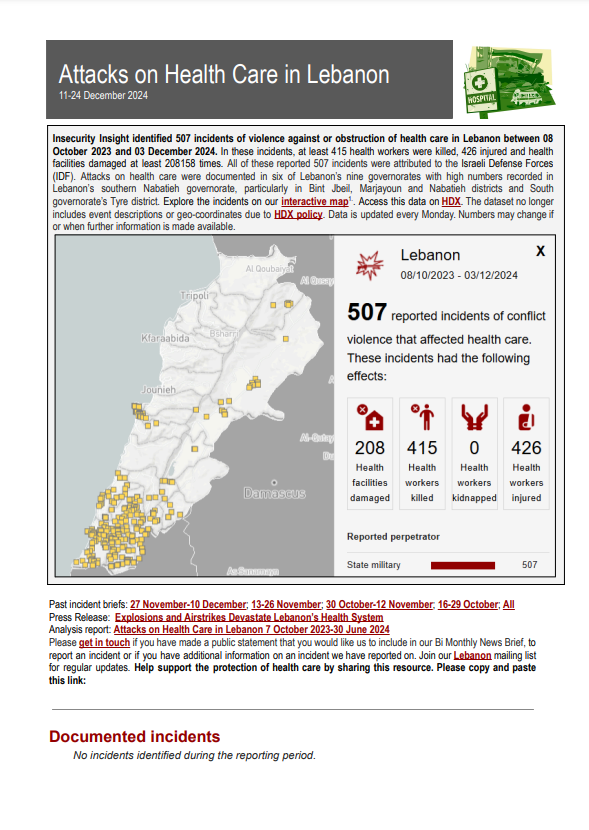
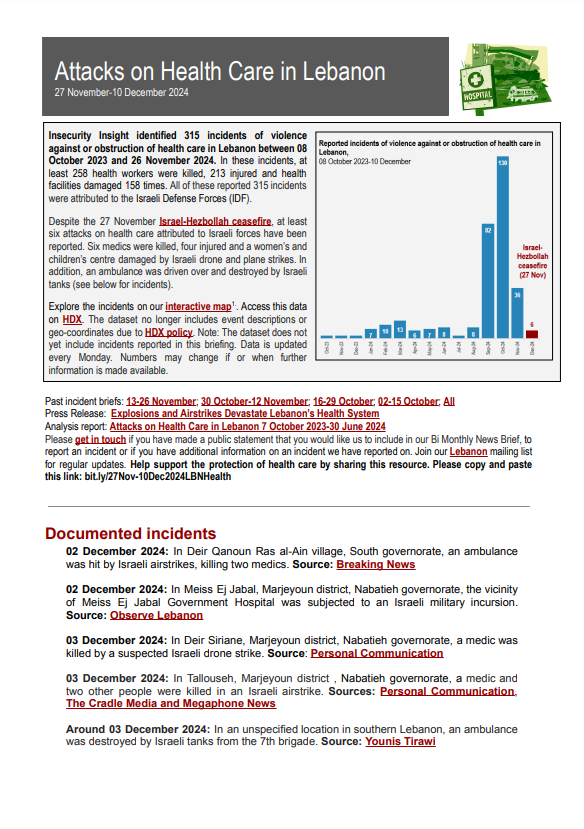
Published every two weeks, Insecurity Insight’s Attacks on Health Care New Brief tracks global threats and violence as well as protests and other events affecting the delivery of and access to health care. Explore our interactive map to see where incidents happened.

Aid in Danger

In 2020, generalised insecurity affected aid operations, assets and staff. Aid delivery was disrupted by shootings more than once in Baalbek-Hermel governorate. Allegations of misconduct by aid agencies or staff, as well as state intervention have impeded aid agencies’ operational space.

Aid vehicles were taken in armed carjacking’s in Beqaa and Baalbek-Hermel governorates. Theft of staff personal property and small amounts of money occurred in various locations in the country. Staff experienced threats, sexual harassment, and beneficiary or protester violence whilst working on project sites.

Aid agencies issued security instructions such as staff hibernation, limited staff movement and programme suspensions in response to the general security context, including crossfire shooting, police raids, armed robberies and carjacking’s. Data